Unlocking Performance with Custom Manifolds in High-Pressure Applications
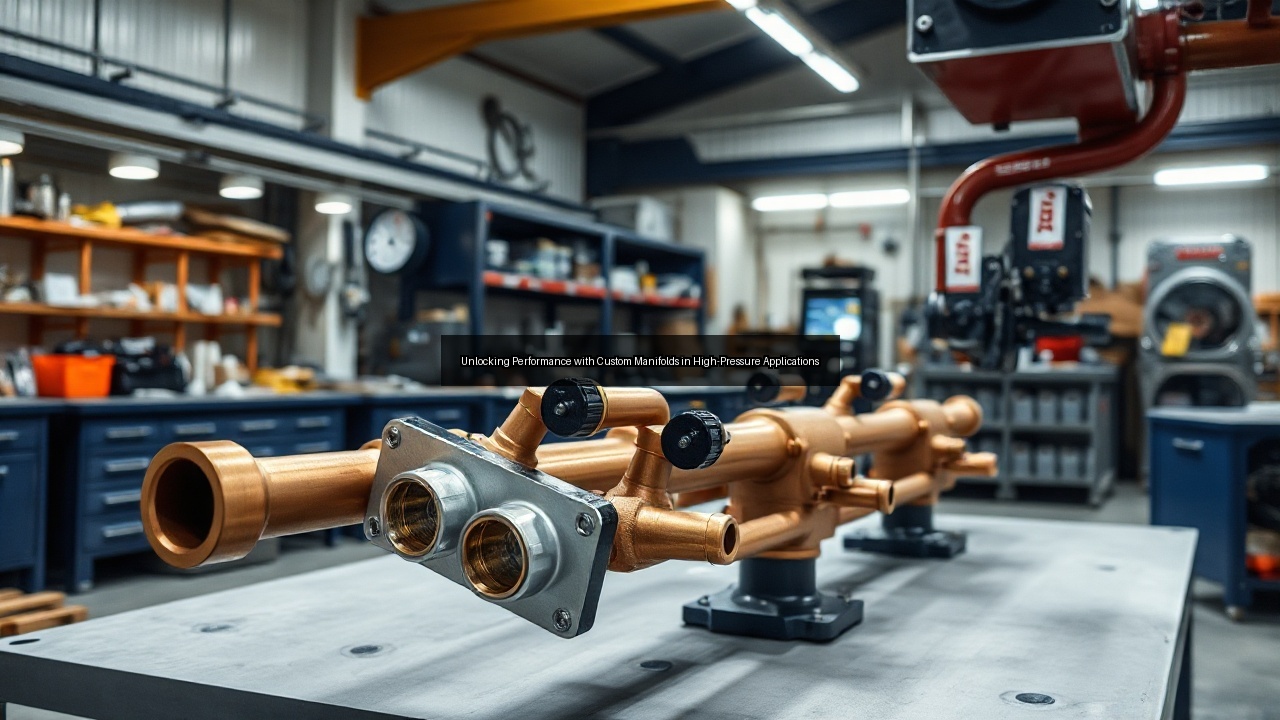
The Importance of Custom Manifolds in High-Pressure Applications
Understanding High-Pressure Systems
High-pressure systems rely on precise fluid control to operate safely and efficiently across demanding environments. Engineers design these setups to handle extreme forces without failure, using robust components that maintain integrity under continuous stress. Pressures often exceed 3,000 psi in hydraulic circuits and can reach 10,000 psi or higher in specialized pneumatic applications, requiring every connection and passage to resist deformation, fatigue, and erosion. Custom manifolds serve as central hubs that route hydraulic or pneumatic fluid through multiple pathways while minimizing leaks and pressure drops. By consolidating flow paths into a single block, these components eliminate the need for numerous threaded joints and flexible hoses that would otherwise introduce turbulence and potential failure points. Operators monitor system performance closely because even minor deviations can lead to equipment damage or downtime in sectors like construction and material handling. These systems often incorporate standardized fittings such as NPT and SAE connections to ensure compatibility and reliable sealing at elevated pressures. Additional considerations include thermal management, as heat generated by fluid friction can accelerate wear, and vibration damping to prevent loosening of internal components over time.
Role of Custom Manifolds in Fluid Power
Custom manifolds direct fluid power in hydraulic and pneumatic circuits by consolidating valves, ports, and channels into a single block. This integration reduces external piping, cuts potential leak points, and improves overall response times. Designers tailor each manifold to match specific flow rates and pressure requirements, allowing seamless operation in complex machinery. In practice, this means calculating optimal channel diameters using fluid dynamics principles to keep Reynolds numbers within laminar flow regimes where possible, thereby reducing energy losses. Fluid power applications benefit from this approach because it streamlines maintenance and enhances system reliability. Companies that deploy custom manifolds report fewer failures during peak loads, especially when handling aggressive media or rapid cycling. The consolidated design also enables easier incorporation of pressure relief valves, check valves, and accumulators directly into the block, creating compact assemblies that improve machine responsiveness and lower overall system inertia.
Benefits of Using Custom Manifolds in Various Industries
Industries gain measurable advantages from custom manifolds through reduced assembly time and optimized space usage. In material handling equipment, these blocks support faster actuator movement while lowering heat generation from friction losses. Agriculture operations use them to control implements with greater precision, cutting fuel consumption and wear on tools. Manufacturing facilities appreciate the simplified inventory of standardized yet bespoke components that fit existing hydraulic lines without extensive modifications. Beyond these gains, custom manifolds improve system cleanliness by reducing exposed surfaces where contaminants can accumulate, which is critical in food processing or pharmaceutical hydraulics. They also facilitate modular machine designs, allowing equipment builders to scale capacity by swapping manifold blocks rather than redesigning entire piping networks.
Design Considerations for Custom Manifolds
Material Selection: Brass, Aluminum, and Stainless Steel
Engineers choose brass for its excellent machinability and corrosion resistance in moderate-pressure pneumatic applications. Its natural lubricity aids in creating smooth internal surfaces that minimize fluid resistance. Aluminum offers lightweight strength ideal for mobile hydraulics where weight reduction improves efficiency; alloys such as 6061-T6 provide a favorable strength-to-weight ratio while accepting anodizing for enhanced surface hardness. Stainless steel provides superior durability against aggressive fluids and high temperatures, making it the preferred option in harsh conditions. Grades like 316L resist pitting from chlorides and maintain mechanical properties above 800°F. Each material undergoes careful evaluation for compatibility with operating pressures, media types, and environmental factors to prevent premature degradation. Additional options occasionally include duplex stainless steels or nickel alloys when extreme sour service conditions are present.
Engineering Design Principles for Custom Manifolds
Effective custom manifold design follows strict principles that balance flow dynamics, structural integrity, and serviceability. Designers calculate port spacing, channel diameters, and wall thicknesses to withstand specified pressure ratings without distortion. Finite element analysis verifies that stress concentrations remain below allowable limits even under cyclic loading. They integrate features like mounting holes and sensor ports early in the process to simplify installation. Advanced modeling tools help validate thermal expansion and vibration resistance before production begins, ensuring long-term performance in continuous-duty cycles. Computational fluid dynamics simulations further refine internal geometry to eliminate dead zones where fluid could stagnate and cause corrosion or contamination.
Incorporating Valves: Ball Valves and Their Applications
Ball valves integrate directly into custom manifolds to provide quick shutoff and precise flow regulation under high pressure. Their quarter-turn operation reduces wear compared with other valve types and delivers reliable sealing even after thousands of cycles. Applications range from isolation functions in hydraulic circuits to directional control in pneumatic tools. Proper placement within the manifold block minimizes turbulence and pressure loss while allowing easy access for maintenance or replacement. When specified with trunnion-mounted designs, these valves can handle higher torque loads and bidirectional pressure without seat deformation. Manifold-integrated ball valves also support position feedback sensors for automated control systems.
Manufacturing Processes for Custom Manifolds
Techniques in Manifold Manufacturing
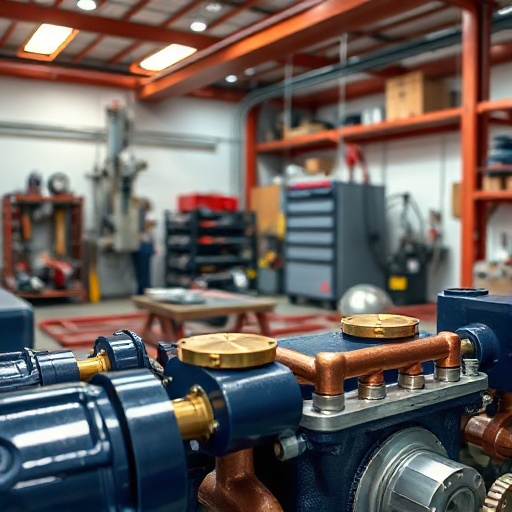
Manufacturing custom manifolds typically involves CNC machining from solid billets to achieve tight tolerances and smooth internal passages. Additional processes such as drilling, tapping, and cross-porting create complex flow paths that match exact engineering drawings. Some suppliers employ additive manufacturing for prototypes to accelerate design validation. These techniques enable rapid iteration while maintaining the strength needed for high-pressure service across diverse fluid power systems. Post-machining operations often include honing or abrasive flow machining to achieve surface finishes below 16 microinches Ra, which reduces friction losses and improves sealing performance. For very intricate internal geometries, gun drilling and electrical discharge machining supplement conventional methods.
Quality Control Measures and Leak Testing
Quality control begins with incoming material inspection and continues through in-process dimensional checks. Final leak testing subjects each manifold to pressures exceeding operating levels using helium or hydraulic media to detect even microscopic defects. Documentation of test results supports traceability and compliance with industry standards. Consistent application of these measures ensures every unit performs reliably once installed in the field. Additional protocols may include ultrasonic testing for internal voids, burst pressure verification at 1.5 to 2 times rated pressure, and particle counting of flushed fluid to confirm cleanliness levels meeting ISO 4406 standards.
Inventory Management for Custom Components
Effective inventory management balances the need for rapid delivery of custom manifolds with cost control. Suppliers maintain stocks of common raw materials and standard fittings while scheduling production runs based on demand forecasts. Digital tracking systems monitor component usage and reorder points, preventing delays for clients in oil and gas or mining operations. This approach supports just-in-time manufacturing without sacrificing quality or customization flexibility. Many suppliers also offer consignment programs or vendor-managed inventory to align stock levels with customer production schedules.
Custom Manifolds Across Industries
Applications in Oil and Gas
Oil and gas operations depend on custom manifolds to manage high-pressure wellhead controls and pipeline distribution. These blocks withstand corrosive sour gas and extreme temperatures while routing hydraulic fluid to safety valves and actuators. Engineers specify stainless steel construction and specialized coatings to extend service life in offshore platforms. Reliable manifold performance directly impacts production uptime and regulatory compliance in this sector. In subsea applications, manifolds incorporate redundant flow paths and ROV-compatible interfaces to enable maintenance without full system retrieval.
Utilization in Agriculture and Mining
Agriculture equipment utilizes custom manifolds to coordinate hydraulic functions on tractors and harvesters with minimal plumbing complexity. Mining applications demand rugged designs capable of handling abrasive fluids and shock loads from heavy machinery. Both industries value the reduced leak potential and simplified troubleshooting that integrated manifold solutions provide, leading to lower operating costs over equipment lifecycles. In mining, manifolds frequently feature larger port sizes and hardened internal surfaces to tolerate slurry-laden fluids.
Aerospace and Space Applications: Unique Requirements
Aerospace and space programs impose stringent weight, vibration, and reliability standards on custom manifolds. Lightweight aluminum or titanium constructions route hydraulic fluid for landing gear and flight controls while surviving launch vibrations and thermal cycling. Suppliers perform extensive qualification testing including helium leak checks and pressure cycling to meet mission-critical requirements. These specialized manifolds enable precise actuation in environments where failure is not an option. Redundancy is often built in through duplicated internal circuits and independent sealing systems to satisfy failure-mode analysis requirements.
Choosing the Right Supplier for Custom Manifolds
Evaluating Supplier Capabilities and Expertise
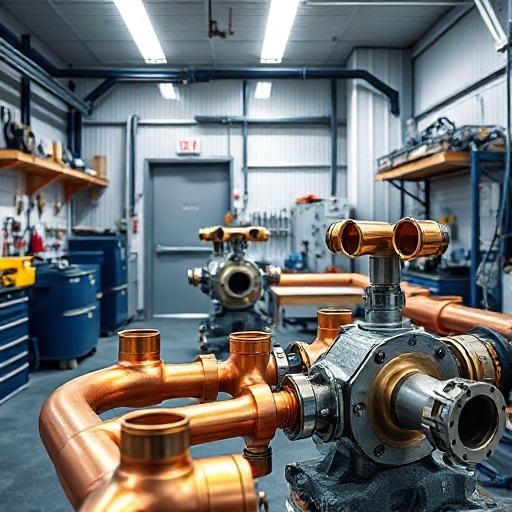
Selecting a supplier requires review of their engineering depth, machining capacity, and experience with high-pressure applications. Companies that offer in-house design support and material expertise deliver manifolds optimized for specific operating conditions. Site visits and reference checks reveal whether a potential partner maintains consistent quality across large or small production volumes for hydraulic and pneumatic systems. Evaluation should also include review of their CAD-to-CAM workflow speed and ability to provide design-for-manufacturability feedback.
Understanding Warranty and Support Options
Strong warranty coverage protects against manufacturing defects and premature failure in service. Leading suppliers back their custom manifolds with responsive technical support and replacement programs that minimize downtime. Clear terms regarding pressure ratings, material traceability, and field performance give buyers confidence when specifying components for critical fluid power installations. Extended warranties may cover not only the manifold itself but also consequential downtime costs under defined conditions.
Key Considerations for North American Markets
North American buyers prioritize suppliers familiar with regional standards such as SAE and NPT threading alongside domestic material sourcing. Local manufacturing reduces lead times and shipping costs while supporting just-in-time inventory strategies. Companies serving agriculture, mining, and aerospace sectors in this region benefit from partners who understand regulatory expectations and provide rapid engineering changes when project requirements evolve. Compliance with Buy American provisions and familiarity with FMCSA or FAA documentation requirements further streamline procurement for domestic projects.